
8September 2025
If you’re planning to build a new fence in Waterloo or Kitchener, one of the biggest decisions you’ll face is choosing the right wood. Cedar and pressure-treated wood are the two most popular options, but they offer very different benefits—and drawbacks. As a local fence builder, I’ve seen both materials in action for years, and the right choice depends on your budget, maintenance preferences, and long-term goals. Let’s break down the pros and cons of each so you can decide which is best for your project.
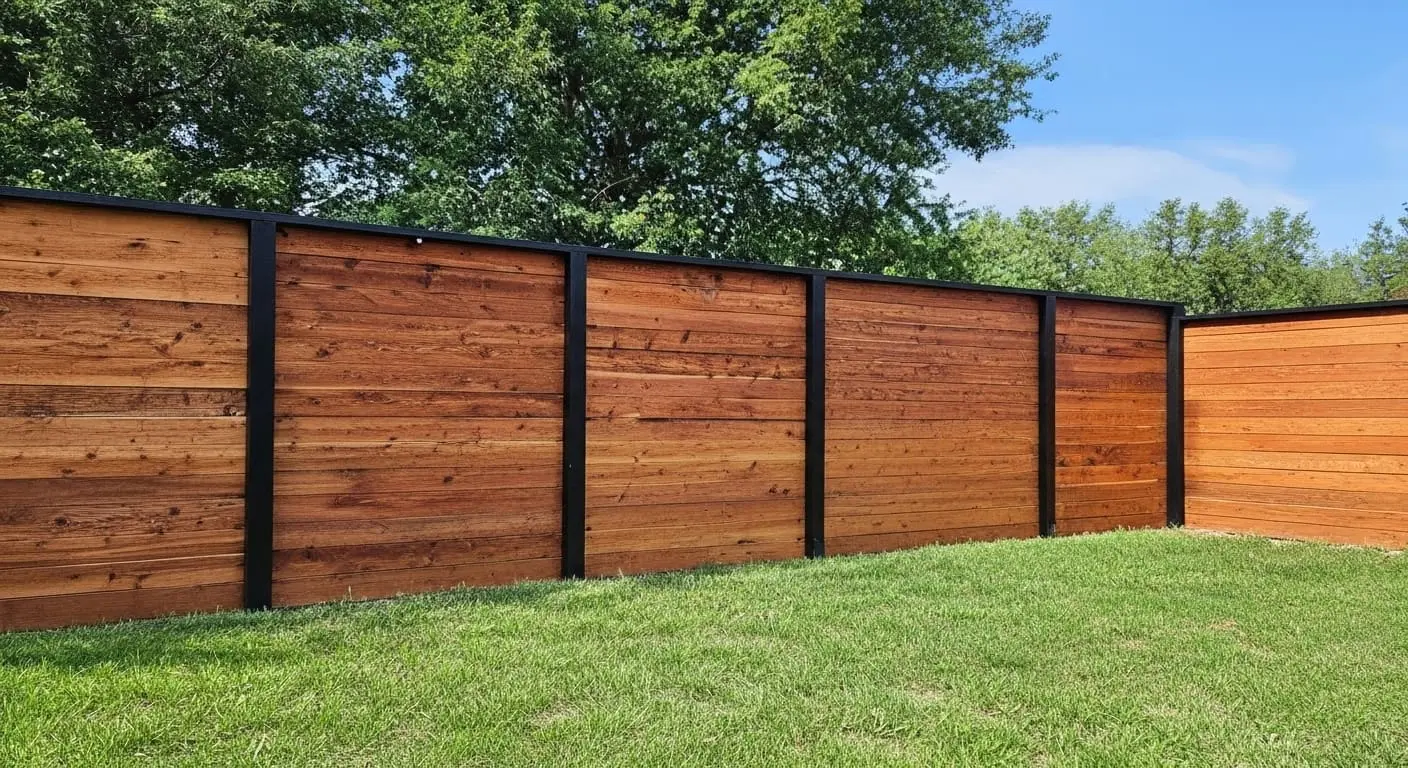
Cedar: The Premium, Natural Choice
Pros of Cedar Fencing
1. Natural Beauty and Aesthetic Appeal
Cedar is prized for its rich, warm tones and smooth grain, which give fences a high-end, natural look. It blends beautifully with outdoor landscapes and complements both modern and traditional homes. If you want a fence that enhances your property’s curb appeal, cedar is hard to beat.
2. Natural Resistance to Rot and Insects
Cedar contains natural oils that repel insects and resist moisture, making it less prone to rot and decay than other woods. This is especially valuable in Ontario’s humid summers and wet springs, where untreated wood can deteriorate quickly.
3. Longevity
With proper care, a cedar fence can last 15 to 25 years—sometimes even longer. It weathers gracefully, developing a silvery-gray patina over time that many homeowners love. If you prefer to maintain its original colour, you can stain or seal it every few years.
4. Lightweight and Easy to Work With
Cedar is lighter than pressure-treated wood, making it easier to handle during installation. It’s also less likely to warp or split, which means fewer headaches during construction.
Cons of Cedar Fencing
1. Higher Upfront Cost
Cedar is more expensive than pressure-treated wood, often costing 20% to 50% more upfront. If you’re on a tight budget, this can be a dealbreaker, but many homeowners see it as a long-term investment.
2. Requires Regular Maintenance
While cedar is naturally resistant to rot and insects, it still needs maintenance to keep it looking its best. Without staining or sealing, cedar will eventually turn gray and may develop surface cracks. Plan to reapply a protective finish every 2 to 3 years to preserve its colour and extend its lifespan.
3. Limited Availability
Depending on your location, cedar may not always be as readily available as pressure-treated wood, which could lead to longer lead times or higher shipping costs.
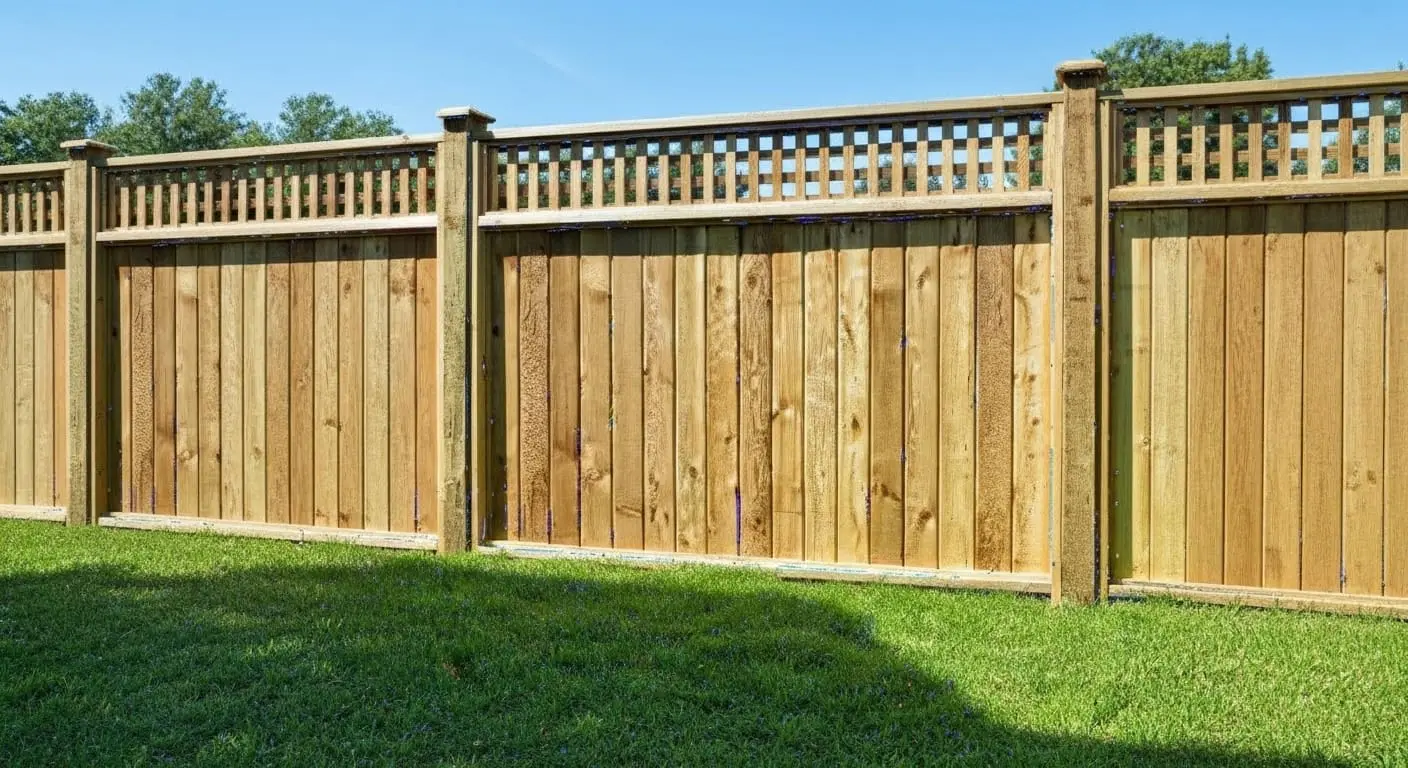
Pressure-Treated Wood: The Affordable, Durable Option
Pros of Pressure-Treated Wood Fencing
1. Cost-Effective
Pressure-treated wood is significantly cheaper than cedar, making it a popular choice for budget-conscious homeowners. You can save hundreds or even thousands of dollars on a large fence project, leaving room in your budget for other upgrades.
2. Long-Lasting and Rot-Resistant
Pressure-treated wood is infused with chemical preservatives that protect it from rot, insects, and fungal decay. This makes it a durable choice for Ontario’s climate, where moisture and temperature fluctuations can take a toll on untreated wood. A well-maintained pressure-treated fence can last 15 to 20 years.
3. Low Maintenance
Unlike cedar, pressure-treated wood doesn’t require regular staining or sealing to maintain its structural integrity. A simple wash with soap and water every few years is usually enough to keep it looking decent. If you want to change its colour, you can stain it, but it’s not necessary for protection.
4. Widely Available
Pressure-treated wood is easy to find at most lumberyards and home improvement stores, so you won’t have to wait long to start your project.
Cons of Pressure-Treated Wood Fencing
1. Chemical Treatment Concerns
Pressure-treated wood is treated with chemicals (like alkaline copper quaternary, or ACQ) to resist rot and insects. While these chemicals are considered safe for residential use, some homeowners prefer natural alternatives, especially if they have children or pets who may come into contact with the fence.
2. Less Aesthetic Appeal
Pressure-treated wood has a greenish tint when new, which fades to a dull gray over time. It lacks the rich, warm tones of cedar and can look industrial or utilitarian. If you want a more polished look, you’ll need to stain it regularly.
3. Prone to Warping and Splitting
Pressure-treated wood is heavier and more prone to warping or splitting as it dries, especially in extreme weather. This can make installation trickier and may require more frequent repairs over time.
4. Environmental Impact
The chemical treatment process and the potential for leaching over time make pressure-treated wood less eco-friendly than cedar. If sustainability is a priority, cedar or alternative materials like vinyl may be a better fit.
Which Is Best for Your Fence?
Choose Cedar If:
- You want a high-end, natural look that boosts curb appeal.
- You’re willing to invest in long-term durability and don’t mind occasional maintenance.
- You prefer eco-friendly, chemical-free materials.
- Your budget allows for a premium fence that adds value to your property.
Choose Pressure-Treated Wood If:
- You’re working with a tight budget and want to save on upfront costs.
- You prefer a low-maintenance fence that doesn’t require regular staining.
- You need a quick, widely available option for your project.
- Aesthetics are less important than durability and affordability.
Local Considerations for Waterloo and Kitchener
In our climate, both cedar and pressure-treated wood can perform well, but there are a few local factors to keep in mind:
- Humidity and Rain: Cedar’s natural resistance to moisture makes it a great choice for Waterloo’s wet springs and humid summers.
- Temperature Fluctuations: Pressure-treated wood can handle freeze-thaw cycles, but cedar’s stability makes it less prone to warping in extreme heat or cold.
- Bylaws and Neighbourhood Standards: If you’re in a historic or upscale neighbourhood, cedar’s aesthetic appeal may align better with local expectations. For more budget-friendly areas, pressure-treated wood is a practical choice.
Recommendation
If you’re looking for a fence that adds value, beauty, and longevity to your property, and you’re willing to invest in maintenance, cedar is the best choice. It’s the premium option that homebuyers love, and it holds up beautifully in our climate.
If you need a budget-friendly, low-maintenance fence that gets the job done without breaking the bank, pressure-treated wood is a solid alternative. Just be prepared for its less polished appearance and potential for warping over time.
Still unsure? Our team has years of experience building fences in Waterloo and Kitchener, and we’d be happy to help you choose the right material for your needs. Contact AAA Fences & Decks for a free consultation and let’s build a fence that lasts!